
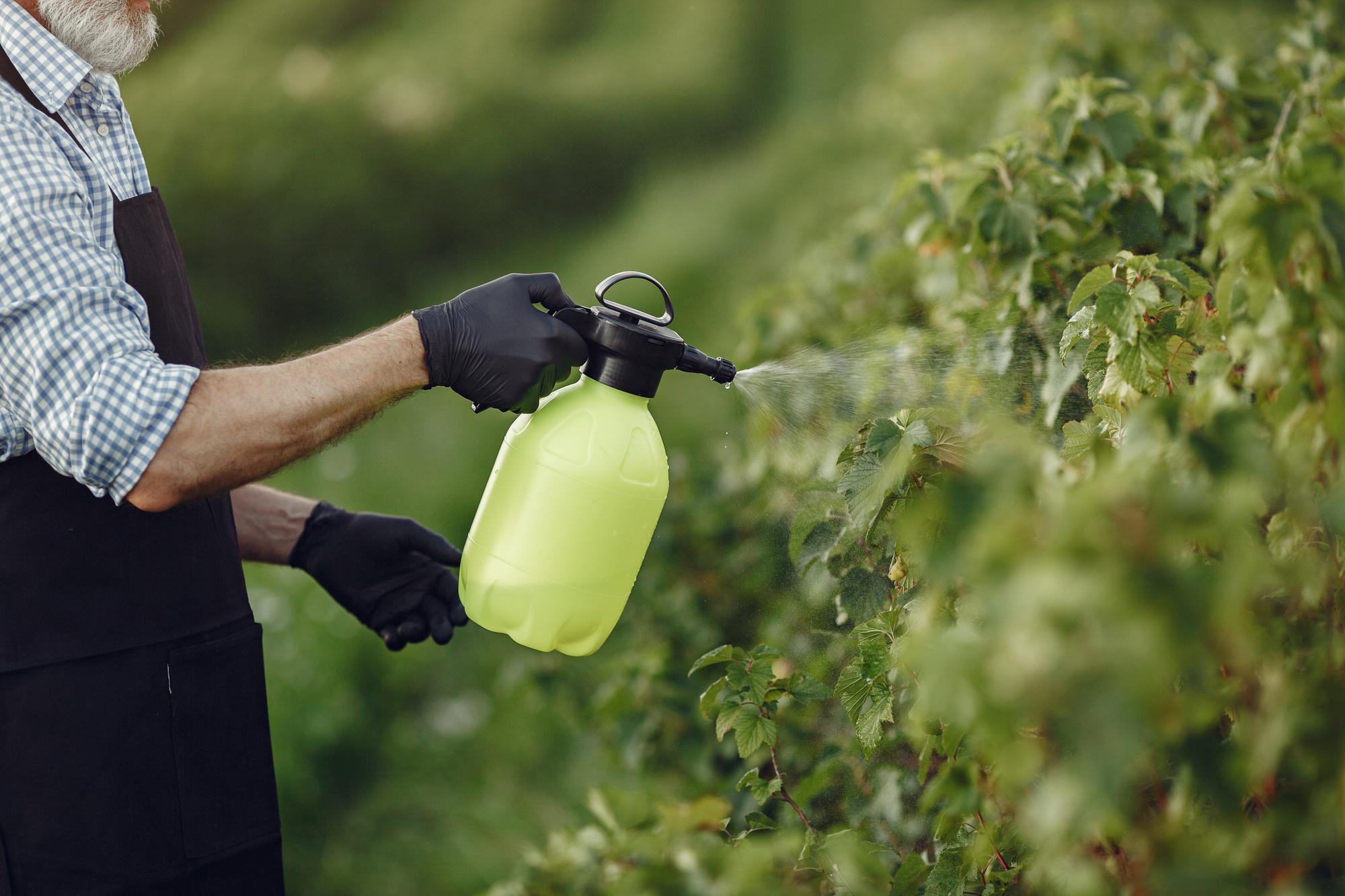
Food production depends on pesticides to protect crops from destructive pests and diseases. When used correctly, pesticides help ensure food security for communities around the world. However, for millions of farmers, agricultural workers, and pesticide applicators—especially in low-income and developing regions—pesticide exposure has become a serious and often deadly public health crisis.
At Global Action for Agrochemical Safety Inc. (GAFAS), we work to reduce pesticide poisoning and protect the people who feed the world through practical, life-saving interventions. One of the most immediate and effective tools in this effort is personal protective equipment (PPE).
The Hidden Health Crisis Behind Global Food Production
According to the World Health Organization (WHO), pesticide poisoning affects hundreds of millions of people each year. While pesticides are designed to eliminate pests, improper handling and lack of protection expose users to toxic chemicals that can enter the body through the skin, lungs, eyes, and mouth.
In many agricultural communities:
- Protective equipment is unavailable or unaffordable
- Safety instructions are not provided in local languages
- Workers receive little to no training on chemical handling
- Children and pregnant women are frequently exposed
As a result, pesticide poisoning continues to cause illness, long-term health complications, and preventable deaths.
Why Personal Protective Equipment (PPE) Is a Lifesaving Solution
Personal protective equipment creates a physical barrier between the human body and harmful agrochemicals. When properly used, PPE dramatically reduces exposure and lowers the risk of poisoning during pesticide mixing, application, and cleanup.
Essential PPE includes:
- Chemical-resistant gloves
- Protective masks or respirators
- Safety goggles
- Chemical-resistant boots
- Protective overalls
For many farming communities, PPE is not a convenience—it is the difference between health and illness, safety and tragedy.
The Disproportionate Impact on Women and Children
Women and children are among the most vulnerable to pesticide exposure. In agriculture, women often handle crops, wash contaminated clothing, or apply pesticides without protective gear. Children may work in fields, play near treated areas, or consume contaminated food and water.
The consequences include:
- Developmental and neurological disorders
- Reproductive health risks
- Increased risk of chronic disease
- Long-term environmental and chemical exposure
Protecting these vulnerable groups requires intentional, community-centered solutions that address both access to protection and education.
Education: Knowledge That Prevents Harm
While PPE is the most effective immediate defense, education remains essential for long-term prevention. At GAFAS, we deliver training programs that teach:
- Safe pesticide handling and application
- Proper use and maintenance of PPE
- Recognition of pesticide poisoning symptoms
- Emergency response actions
- Understanding hazard labels and warning symbols
By providing multilingual materials and hands-on workshops, we empower individuals to protect themselves, their families, and their communities.
Building a Safer and More Sustainable Future
Beyond immediate protection, GAFAS promotes sustainable agricultural practices that reduce dependency on hazardous chemicals. Integrated Pest Management (IPM), organic methods, and eco-friendly alternatives help farmers maintain productivity while safeguarding health and the environment.
Sustainable farming is not only better for the land—it is safer for the people who depend on it for their livelihoods.
How GAFAS Is Making a Difference
Global Action for Agrochemical Safety Inc. (GAFAS) addresses pesticide risks through:
- Distribution of essential PPE to farming communities
- Safety education and training workshops
- Community-based outreach and support
- Advocacy for safer agricultural practices
Our work prioritizes those most at risk and delivers practical solutions where they are needed most.
How You Can Help Protect Lives
Every contribution helps save lives and prevent suffering. By supporting GAFAS, you help ensure that farmers and agricultural workers have the protection, knowledge, and resources they need to work safely.
You can make a difference by:
- Donating to support PPE distribution and training
- Volunteering with education and outreach efforts
- Partnering with us to promote chemical safety
Together, We Can Protect Those Who Feed the World
Until all pesticide users are fully educated and adequately protected, personal protective equipment remains the most effective way to reduce pesticide poisoning and unintended exposure. With collective action, we can create safer working conditions, healthier communities, and a more sustainable future for global agriculture.