
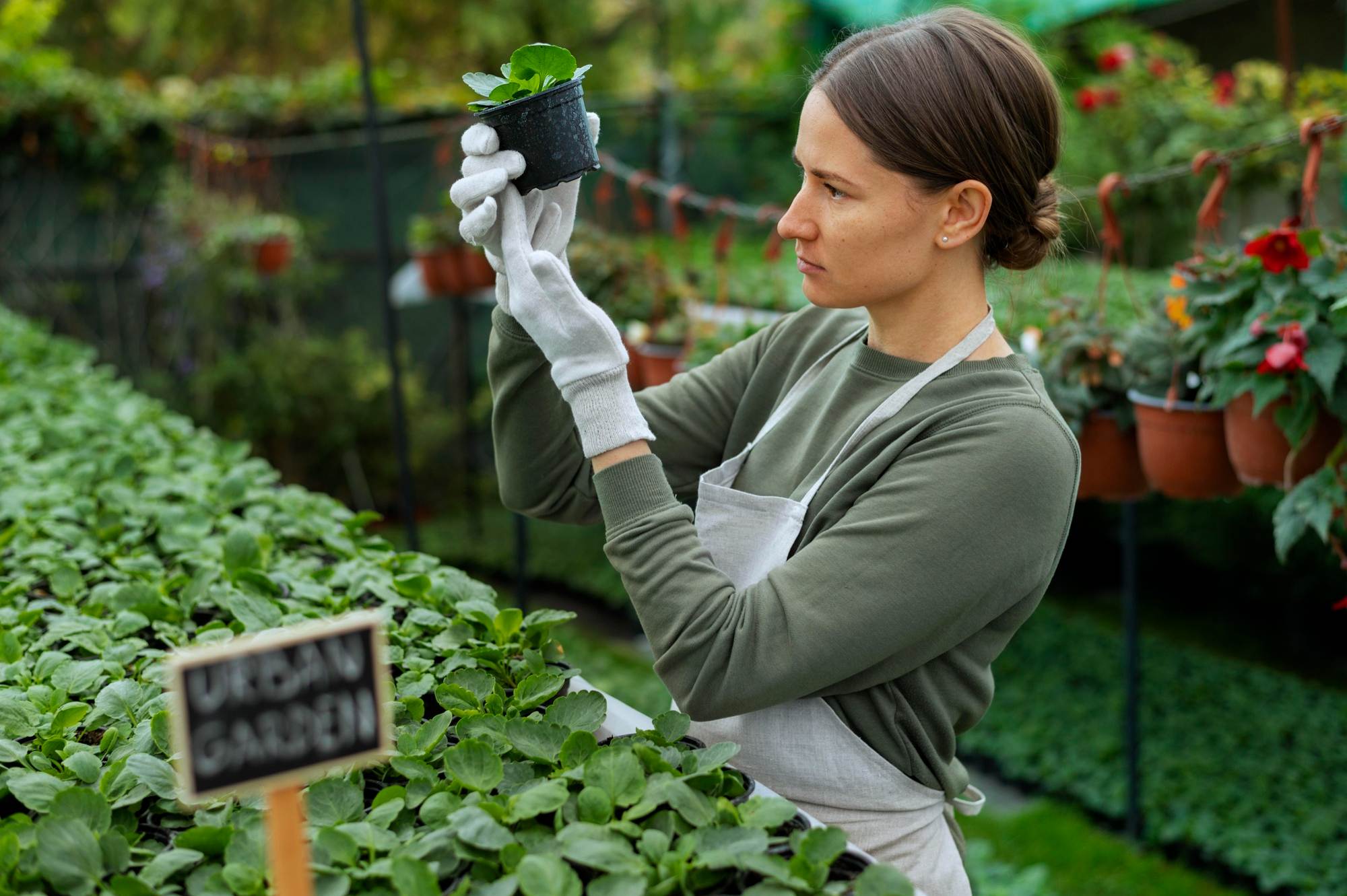
Agriculture sustains families and communities around the world, yet it also exposes millions of women and children to serious health risks. In many farming regions, women and children are on the frontlines of agricultural labor, often working in environments where pesticides are widely used and safety protections are limited or nonexistent.
At Global Action for Agrochemical Safety Inc. (GAFAS), protecting women and children from pesticide exposure is a core priority. These vulnerable groups face disproportionate risks due to biological sensitivity, limited access to protective equipment, and lack of safety education.
Why Women and Children Face Higher Risks
Women and children are more susceptible to pesticide exposure for several reasons. Women frequently participate in planting, harvesting, pesticide application, and post-application activities such as washing contaminated clothing. Children may work in agricultural fields, accompany family members during spraying, or play in areas recently treated with chemicals.
Contributing risk factors include:
- Limited access to personal protective equipment
- High rates of child labor in agriculture
- Lack of education and safety training
- Exposure during critical stages of physical and neurological development
Without adequate protection, even low-level, repeated exposure can cause serious long-term harm.
Health Consequences of Pesticide Exposure
Pesticide exposure can lead to a range of acute and chronic health effects, particularly for women and children. Short-term exposure may cause headaches, dizziness, nausea, skin irritation, and breathing difficulties. Long-term exposure has been linked to more severe outcomes.
Potential health impacts include:
- Developmental and learning disorders in children
- Neurological and cognitive impairment
- Reproductive and maternal health complications
- Increased risk of chronic illnesses and cancer
These health effects often go undiagnosed or untreated in low-resource settings, further increasing vulnerability.
The Role of Personal Protective Equipment (PPE)
Personal protective equipment remains one of the most effective tools for reducing pesticide exposure. When properly used, PPE significantly limits contact with harmful chemicals and protects both workers and their families.
Key protective equipment includes:
- Chemical-resistant gloves
- Masks or respirators
- Safety goggles
- Protective boots
- Chemical-resistant clothing
For women and children involved in agricultural activities, access to appropriately sized and designed PPE is essential for effective protection.
Education and Community Awareness
Education is critical in reducing pesticide-related harm. GAFAS delivers community-based education programs that raise awareness of pesticide dangers and promote safer behaviors.
Our training focuses on:
- Safe handling, storage, and application of pesticides
- Correct use and maintenance of PPE
- Recognizing early symptoms of pesticide poisoning
- Understanding hazard symbols and warning labels
By engaging entire communities—including parents, teachers, and local leaders—we help create safer agricultural environments for women and children.
Promoting Safer Agricultural Practices
Reducing pesticide exposure also requires long-term changes in how crops are protected. GAFAS promotes sustainable agricultural practices such as integrated pest management (IPM), organic farming methods, and environmentally responsible alternatives that reduce reliance on hazardous chemicals.
These approaches not only protect health but also support environmental sustainability and long-term food security.
How GAFAS Is Supporting Vulnerable Populations
Global Action for Agrochemical Safety Inc. works to protect women and children through PPE distribution, targeted education programs, community outreach, and partnerships with local organizations. Our programs are designed to address immediate risks while building long-term capacity for safer agricultural practices.
By prioritizing vulnerable populations, we help reduce preventable illness and create healthier futures for farming families.
How You Can Make a Difference
Protecting women and children in agriculture requires collective effort. Supporters can play an important role in expanding access to protection and education.
You can help by:
- Donating to support PPE distribution and safety training
- Volunteering in education and outreach programs
- Partnering with GAFAS to promote chemical safety
A Safer Future for Farming Families
Every woman and child deserves a safe and healthy environment. By reducing pesticide exposure and promoting safer agricultural practices, we can protect those most at risk and strengthen farming communities worldwide.
Together, we can build a safer, healthier future for agriculture.